“Mindset”; 10 Years Later
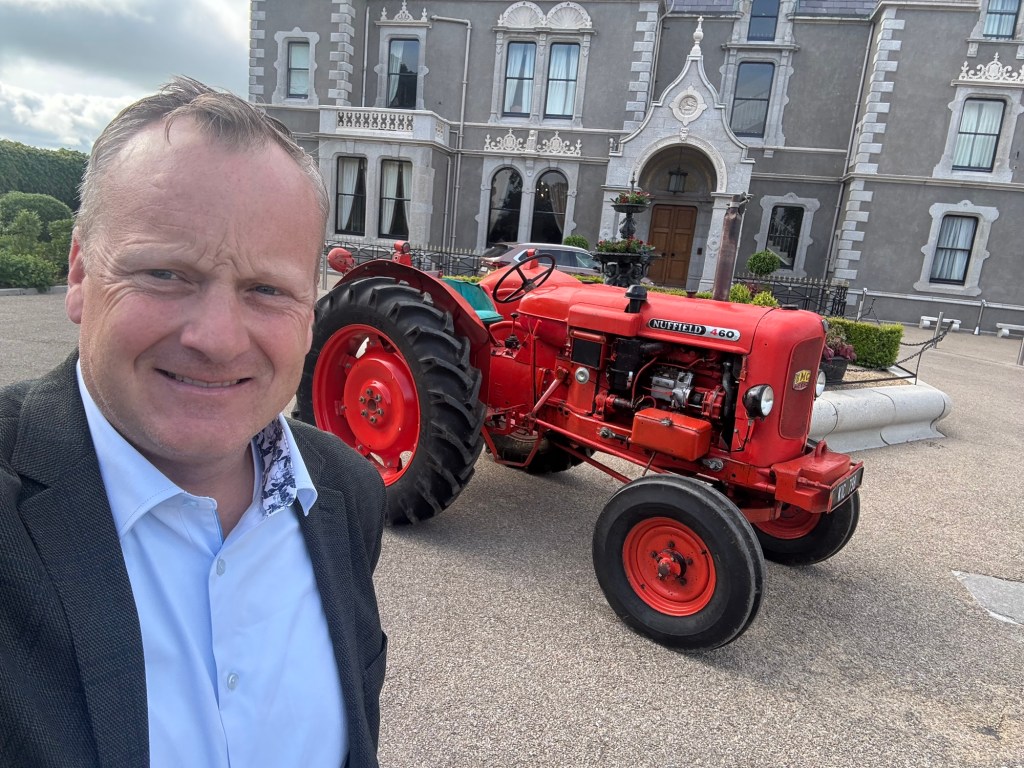
Seldom am I short of words, but I’ve been searching for the right way to express what it meant to spend a few days in Ireland at the Nuffield Triennial Conference and Agri Summit.
What started as a reunion of sorts — with Irish, Scottish, Australian, and Canadian farmer friends gathering for a farm tour and a pub visit in the hills of Tipperary — evolved into a weekend centered around a global conference asking a profound question:
“Feed the world: our responsibility?”
A big question with rippling global impact.
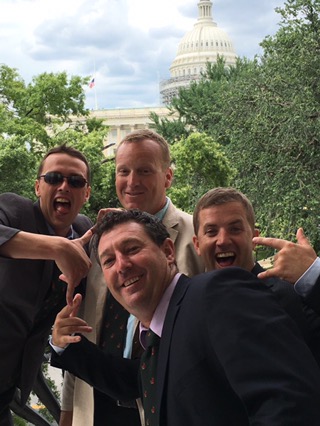
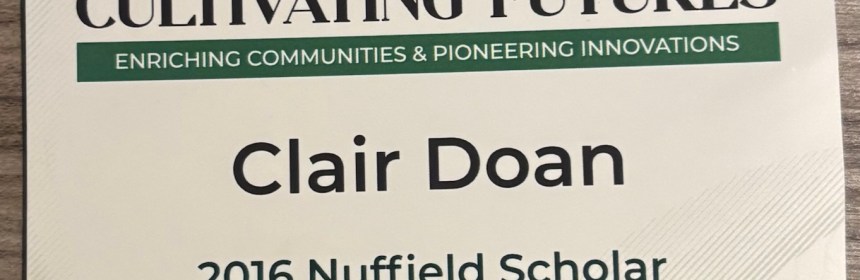
Ten years have passed since the title of Nuffield Scholar was bestowed upon the 2016 cohort. More importantly, however, it marked the beginning of a journey seeking answers not only to major global questions, but also to smaller, regional, and practical solutions for our farms and local communities.
To suggest I found the answer to the question posed at the conference would be misleading. But my reflections included the significant population growth expected across the African continent and the debate surrounding whether nations should rely on imported food from the developed world, or instead focus on developing stable regional economies capable of feeding themselves — assuming stable governance exists to support that growth.
The discussion largely occurred within a European context and included conversations around environmental regulations, trade policy, and the increasing pressures placed on agriculture.
Reflecting on these global questions of food insecurity also reminded me of challenges much closer to home. In Canada, we continue to see increasing reliance on food banks, school breakfast programs, and community food initiatives. While we think globally, we are still reminded that we must act locally.
It also raises broader questions around food quality, particularly in North America, where convenience has increasingly taken priority over ingredient quality as processed foods continue to dominate diets.
The speakers throughout the summit emphasized the importance of evidence-based policy and the reality that political and economic influence continues to evolve globally. Even in Ireland, conversations frequently turned toward the political climate in the United States and the shifting balance of global power.
As economist David McWilliams stated:
“Telephones are colonizing the brains of our children.”
(And perhaps some adults as well.)
In other words, how we think, communicate, and consume information has changed dramatically over the last several decades.
As the summit concluded and the conference moved onto the road portion of the tour, it was incredible to reconnect with Nuffield scholars from past and present generations. One of the unique characteristics — even 10 years later — remains the openness and willingness of people to meet someone new and genuinely hear their story.
In a world where many “connections” are made through social media, this was about real human connection and meaningful conversation.
The core strength of Nuffield was once again on full display: developing the global network.
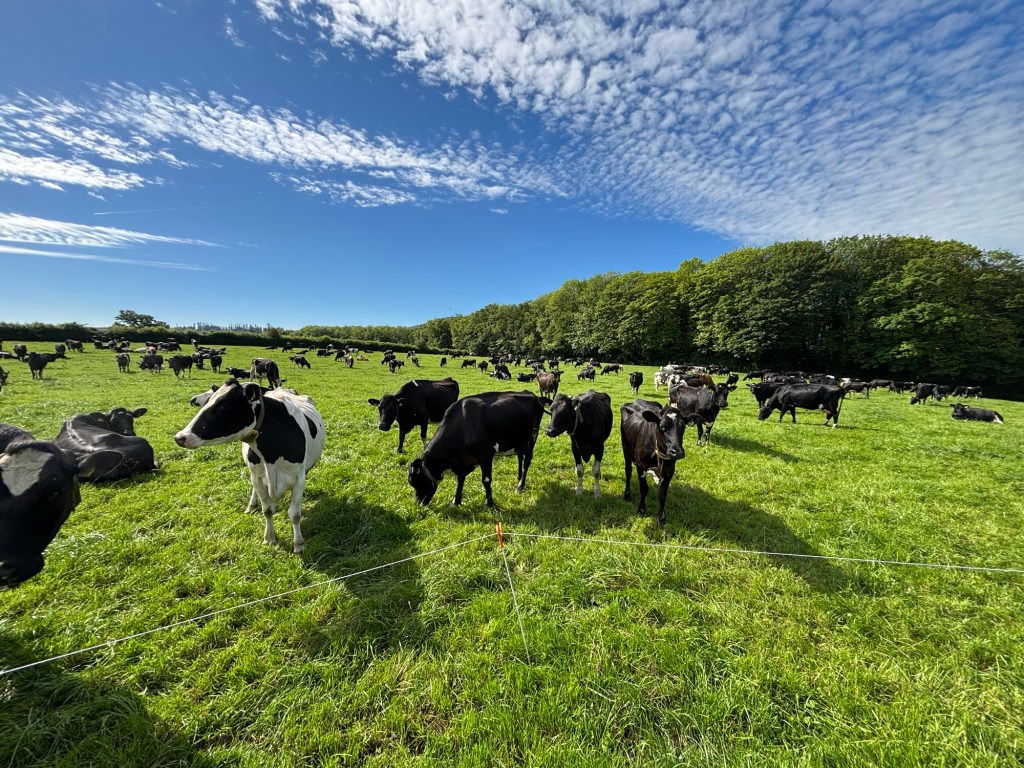
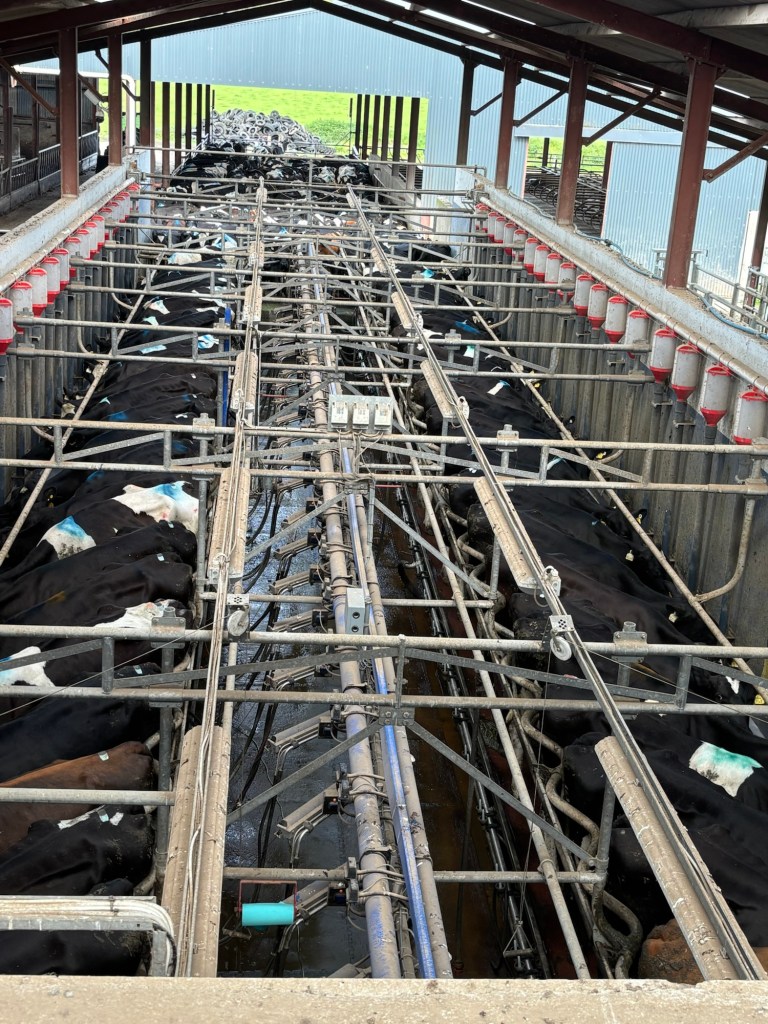
Hours upon hours were spent on buses touring farms, accompanied by nonstop conversation through the Irish countryside. The common themes discussed were truly global: people management, farm succession, labour shortages, profitability, and farm viability.
Yet there were also areas where Europe appears to be leading discussions, particularly around environmental regulation, water quality, and fertilizer use.
Another noticeable difference was the openness surrounding conversations about return on investment and financial performance, the question of ROI. Culturally, Irish farmers seldom sell land outside the family, while many Southern Hemisphere farmers appear less emotionally tied to land ownership itself and more focused on business efficiency, adaptability, and long-term viability.
Not right. Not wrong.
But it was a reminder that domestic culture and regional economics heavily influence agriculture and policy. At the same time, we should continually challenge ourselves — and each other — to think critically about financial returns and long-term sustainability for both farms and agribusinesses.
One of my biggest takeaways was the importance of ensuring strong financial returns not only for our own farms, but also for the customers and businesses we work alongside.
Of course, no Nuffield event would be complete without the conversations that happen over a beverage — and for me, as the locals do, it was Guinness.
It’s there where laughter mixes with debate, where banter is paired with support, and where sometimes the greatest value comes simply from listening and learning from the sidelines.
That’s where networks continue to grow.
Ten years may have passed, but what this weekend truly did was reset my mindset.
It reminded me that it is okay to remain inquisitive, to challenge the norm, and to help others. It reinforced that we are part of a global network committed to leadership development, skill building, and strengthening the agricultural and agri-food sector.
I’m grateful to my family for giving me the time and support to reconnect and further expand that network within an environment filled with positivity and people genuinely trying to solve challenges facing the food sector.
The Nuffield culture continues to be one of openness — sharing ideas, asking questions, and seeking feedback — because we all recognize that our communities, farms, and economies are constantly evolving.
As I reflected on my own Nuffield “mindset” perhaps fading somewhat over the past decade, this experience brought a genuine sense of renewal.
For that, I am grateful.
Life is not always easy, but we all share a responsibility to help those who may be struggling. Leadership is not always about standing at the front. Sometimes it means helping move the pack from behind and ensuring no one gets left behind.
As farmers and agricultural professionals, we have a responsibility to speak up and engage.
As one New Zealander on the tour said:
“It is better to be at the table than on the menu.”
Side note:
If you’ve read to the bottom; thank you! It’s the first agricultural blog style post I’ve written in nearly 8 years. Again, we must all use our voice, and for me, I thought I’d put this to practice again.